The History of the Bidet, From Paris to Your Bathroom
The history of the bidet runs from early French washing basins to toilet seats that direct water from a nozzle. For your bathroom, choose between a separate fixture, a non-electric seat, and an electronic seat based on space, power, and the features you want.
On this page (7 sections)
- How does the history of the bidet begin in France?
- How did the history of the bidet spread across countries?
- How did the history of the bidet move from basin to toilet?
- What should you choose after learning the history of the bidet?
- How should you set up and care for a bidet seat?
- What does the history of the bidet tell us about its future?
- Which bidet should you choose today?
The history of the bidet starts with a washing basin in 18th-century France and continues with seats that bring water cleansing to the toilet. That shift gives you practical choices today: a separate fixture, a manual seat that uses ambient-temperature water, or an electronic seat with powered features.
The designs changed as plumbing and bathroom layouts changed. Knowing those differences can help you choose a bidet that fits your toilet, your routine, and the space you have.
How does the history of the bidet begin in France?
The bidet is generally traced to France in the early 18th century. Its earliest form was a small basin for personal washing, often placed in a bedroom or dressing room rather than next to the toilet.
The name is linked to a French word for a small horse. It likely refers to the way a person straddled the early fixture.
What did early bidets look like in the history of the bidet?
Early bidets were freestanding basins on legs, sometimes covered by a lid or enclosed in a cabinet. They held water for washing and were filled and emptied by hand.
These fixtures came before indoor plumbing was common. They did not work like a modern bidet seat, which connects to the toilet’s water supply and directs a spray from a nozzle.
How did the history of the bidet spread across countries?
Bidets spread through parts of Europe as bathrooms and plumbing changed. Adoption varied by household and country, influenced by customs, available room, and whether a home could fit a separate fixture.
As indoor plumbing became more common in the 19th and 20th centuries, adding a bidet near a toilet became more practical. Some bathrooms gained a second basin; others had limited space or no reason to add another fixture.
Why did the history of the bidet differ by country?
A separate bidet needs space and plumbing, so it suited some home layouts better than others. Local bathroom habits also shaped whether people chose one.
That history explains why the fixture feels familiar in some places and unusual in others. A toilet seat with a bidet function is one way to add water cleansing without making room for a second basin.
How did the history of the bidet move from basin to toilet?
Plumbing advances made it easier to supply water to bidets, and later designs brought the nozzle into the toilet itself. Attachments and bidet seats use the toilet you already have, avoiding the footprint of a separate fixture.
These designs also changed what installation can involve. Some seats work without an electrical outlet, while electronic models need power for features such as warm water and a heated seat.
A separate fixture may suit a bathroom planned around it, especially if there is room and plumbing for an additional basin. If you want to use your existing toilet, a seat or attachment is usually the more direct fit.
What is the difference between a historical bidet fixture and a modern seat?
A traditional bidet is a separate fixture beside the toilet. A bidet seat replaces the existing seat and uses a nozzle to direct water while you remain on the toilet.
For a plain explanation of how the modern design works, read what a bidet toilet seat is. If you are deciding which style to buy, our guide to choosing a bidet toilet seat explains the main options.
What should you choose after learning the history of the bidet?
Choose by bathroom fit, power access, and the wash features you will use. You do not need an electronic seat if a manual wash meets your needs, and extra features are useful only if they match your routine.
First, check whether your toilet is elongated or round and whether a seat can fit securely. The Brondell Swash Ecoseat is designed for elongated toilets, so it suits someone with that shape who wants rear and front washes without electronics.
Skip this style if warm water, a heated seat, or a powered dryer is essential to you. Its water is not heated, and it does not need an outlet.
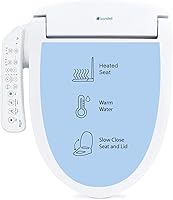
If you want warm water and a heated seat, the TOTO WASHLET A2 has adjustable water temperature and pressure, a side control panel, and an oscillating spray option. It suits a household that wants those settings and has a suitable electrical outlet near the toilet.
The Brondell SE400 adds a warm air dryer, night light, and oscillating nozzle to its heated seat and adjustable wash settings. It fits someone who wants several powered comfort features and can reach an outlet with its 4 ft power cord.
Skip electronic seats if you do not want to rely on an outlet or prefer a simple manual dial. Their powered features add controls and setup considerations that a non-electric seat avoids.
How should you set up and care for a bidet seat?
A good setup starts with checking toilet shape, seat space, and water access before you buy. For an electronic seat, confirm that an outlet is within reach; for any seat, follow its installation instructions and use the supplied fittings as directed.
Measure the toilet and compare its shape with the seat’s stated fit. The Ecoseat and SE400 in this guide are elongated models, so do not assume they will fit a round toilet.
Use the toilet compatibility checklist before ordering.
For a manual seat, expect ambient-temperature water and a dial or other manual control. For an electronic seat, identify where the side controls sit and make sure the power cord can reach the outlet without stretching across a walkway.
Start with low water pressure and adjust gradually until the spray feels comfortable. If the stream seems weak, check the water connection and the seat’s settings before assuming there is a problem; our guide to bidet water pressure that feels too low covers common checks.
Keep the nozzle area clean according to the seat’s care instructions. The A2 and SE400 include self-clean cycles, but that feature does not replace routine cleaning of the seat and surrounding toilet.
A common mistake is choosing by features before checking fit. Another is expecting a non-electric seat to provide warm water, or buying an electronic seat without confirming outlet access.
What does the history of the bidet tell us about its future?
Bidet designs may continue to change around comfort, controls, and bathroom fit. The central idea remains the same: use water for personal cleansing, whether through a separate fixture or a device attached to the toilet.
For a small bathroom, a seat can bring the function to an existing toilet without taking up the floor space a second basin would need. If you want to compare more current seat options, see bidet seats with remote or side controls.
Which bidet should you choose today?
Choose the Brondell Swash Ecoseat if you have an elongated toilet, want a manual wash, and do not need heated water or powered features. Choose the TOTO WASHLET A2 if adjustable warm water and a heated seat matter, or the Brondell SE400 if you also want a warm air dryer and night light.
The history of the bidet shows how a separate basin became one of several ways to use water for cleansing. Start with your toilet’s fit and the features you will use, then learn how to use a bidet toilet seat before your first wash.
Frequently asked questions
Where did the bidet originate?
The bidet is generally traced to France in the early 18th century. Early models were basin-like fixtures used for personal washing, and the name is linked to a French word for a small horse, likely because users straddled the fixture.
When did bidets become common in bathrooms?
Bidets spread gradually, with adoption differing by country, home design, plumbing, and local habits. Separate fixtures became common in some parts of Europe, while toilet seats with bidet functions offered another option for bathrooms with less floor space.
What is the difference between an old bidet and a modern bidet seat?
A traditional bidet is a separate basin placed near the toilet, while a bidet seat replaces or sits on a toilet seat and directs water from a nozzle. Electronic seats may add features such as warm water, a heated seat, and a dryer.
Are bidets still used in France?
Yes, bidets remain in use, though their presence varies by home and region. Some newer bathrooms use a toilet seat with a bidet function instead of a separate basin, which can save floor space and work with an existing toilet.