How to Remove a Bidet Toilet Seat Safely
To remove a bidet toilet seat, switch off power, shut off the water, drain the seat, disconnect the hose, then release the mounts. Check the seat manual first because release controls and fittings vary by model.
On this page (8 sections)
- What should you check before removing a bidet toilet seat?
- How do you remove a bidet toilet seat step by step?
- What mistakes should you avoid while taking off the seat?
- What should you inspect after removing the seat?
- Which replacement bidet seat fits your needs?
- How do you set up and care for the replacement?
- When should you call a plumber?
- Which seat should you choose after removal?
If you're wondering how to remove a bidet toilet seat, switch off its power, close the water supply, drain the seat, disconnect the hose, and release its mounts. Check the seat manual first because release controls, mounting plates, and hose fittings vary.
Set a towel and small container beside the toilet before you start. They’ll catch water left in the hose and give you a clean place to set the seat.
What should you check before removing a bidet toilet seat?
Find the power source, water shutoff valve, and release method before loosening any connection. The manual can show where the power switch, drain control, quick release, and mounting hardware are located.
If the seat plugs into an outlet, switch it off and unplug it with dry hands. Keep the plug and outlet away from water while you work.
If the seat is hardwired, follow its shutdown instructions or ask a qualified electrician. Find the small shutoff valve on the water line behind or beside the toilet.
Turn the valve clockwise gently to close it. If it won’t move or begins leaking, stop rather than forcing it.
Check the bowl shape and mounting area while you have the manual nearby. A replacement seat that doesn’t match your toilet can mean another removal and installation, so review the bidet seat compatibility checklist before you choose one.
How do you remove a bidet toilet seat step by step?
Close the water valve, drain the seat, disconnect its hose, and release the mounts in that order. Keep the seat level as you lift it so leftover water doesn’t spill.
- Switch off and unplug the seat, or follow its hardwired shutdown instructions.
- Close the toilet’s water supply valve.
- Use the seat’s drain procedure if it has one.
- Put a towel and container below the hose connection.
- Disconnect the hose as directed in the manual.
- Press the release button or loosen the mounting hardware.
- Lift the seat clear and set it on the towel.
Don’t pull on the hose to move the seat or pry against the bowl. If a nut or mount won’t turn, check for a hidden release or a different fastener before trying again.
Kohler provides product manuals through its official manuals and documentation page.
How do you drain water before removing a bidet seat?
Use the seat’s drain procedure, if provided, after shutting off the supply. Some water can remain in the hose or seat even after the valve is closed.
Keep the towel under the connection as you loosen it. If water continues flowing, reconnect the hose if you can do so safely, then check whether the valve shut off.
How do you disconnect the hose without damaging the connection?
Disconnect the hose at the point specified in the manual, with a container underneath. Some setups connect the seat hose through an adapter at the toilet’s water line.
Turn the fitting carefully by hand or with the tool the manufacturer specifies. Avoid twisting the shutoff valve or stressing the pipe.
When the fitting is loose, place the hose end over the container and let the remaining water drain. If the fitting is corroded, damaged, or stuck, stop before it damages the valve or connection.
How do you release a quick-release bidet seat?
Use the quick-release control or remove the mounting nuts, depending on the seat. A release control may separate the seat from its mounting plate while leaving the plate and bolts attached to the toilet.
Look behind the seat to identify the mount style. Some hardware is accessible from above; other mounts use nuts beneath the toilet.
Follow the manual and hold the hardware steady so it doesn’t drop or scratch the bowl. The Kohler PureWash M250 has a Quick-Release feature that lets you remove the seat for cleaning.
What mistakes should you avoid while taking off the seat?
Don’t force a resistant valve, hose fitting, or mount. The connection can damage the toilet’s supply line or leave you with a leak that is harder to fix than the original seat.
Avoid pulling the seat away before disconnecting its hose, and don’t use the hose as a handle. Don’t assume a quick release removes the mounting plate too; some release only the seat.
Keep electrical plugs away from water, and don’t handle a powered seat while your hands are wet. Save the manual and hardware in one place in case you need them for installation or a return.
If the seat will not come off, check for a hidden release, covered fastener, or mount that needs access from underneath. Ask a plumber for help if the fastener is seized, the shutoff valve leaks, or the toilet begins to shift.
If you’re removing the seat because its spray is weak, check what to do when bidet water pressure is too low before replacing it. The cause may be the supply or connection, so a new seat may not address it.
What should you inspect after removing the seat?
Check the toilet, valve, hose, and mounting holes before fitting a replacement. Wipe up water and look for cracks, corrosion, loose connections, or damaged hardware.
Keep the old seat’s manual and parts until the replacement is installed. If you plan to use the toilet in between, make sure the water connection is safely capped or restored for your plumbing setup.
Don’t leave an open connection or a leaking valve unattended. If you’re unsure how to secure the supply line, get a plumber’s advice.
Which replacement bidet seat fits your needs?
Choose based on toilet shape, preferred controls, and whether you want a manual seat. The Kohler PureWash M250 has a quick-release feature, while the Brondell Swash Ecoseat and Clirass Elongated Seat are non-electric options for elongated toilets.
The Kohler PureWash M250 suits someone who wants a manual seat with a side handle to adjust spray position and pressure. Its single wand rinses itself after use, and the quiet-close lid and seat reduce slamming; skip it if you need a heated wash, dryer, or electric controls.
The Brondell Swash Ecoseat suits someone seeking an elongated, non-electric seat with separate rear and front wash nozzles. It uses ambient water and has a gentle-closing seat; skip it if your toilet is round or you want warm water.
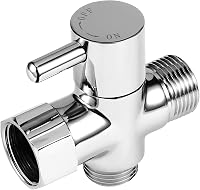
The Clirass Elongated Seat suits someone who wants an elongated manual seat with dual nozzles and an included T-adapter with pressure control and shutoff. Skip it if your toilet isn’t elongated or you want an electric seat with heated water and a dryer.
Before ordering, measure your toilet and check the replacement’s installation instructions for the mounting space and connections. For a broader comparison, see how to pick the right bidet toilet seat.
How do you set up and care for the replacement?
Follow the replacement’s manual and confirm the toilet fit before connecting the water. The hardware and steps differ by model, so use the instructions that came with your seat rather than assuming the old setup transfers exactly.
Keep the water valve closed while positioning the new seat and attaching its mounts. Check that the seat sits securely, then connect the hose as directed and reopen the valve slowly while watching for leaks.
Use the release feature, if the seat has one, when you need to clean around its mounting area. For example, the Kohler PureWash M250’s Quick-Release feature allows the seat to be removed for cleaning, and its wand rinses after each use.
The Brondell and Clirass options are manual and non-electric, so they don’t need a power outlet. For more on wash options and water connections, read about warm-water bidet seats without a hot water line.
When should you call a plumber?
Call a plumber if the shutoff valve leaks, the supply line is damaged, or you can’t safely disconnect the hose. Get help if the toilet rocks, the mount is seized, or water keeps flowing after you close the valve.
A straightforward removal shouldn’t require force. Stop when a connection resists, and follow the seat maker’s instructions before trying another step.
Which seat should you choose after removal?
Pick the Kohler if quick release and a single adjustable spray suit your needs; pick Brondell or Clirass for an elongated, non-electric seat with dual nozzles. First make sure the seat matches your toilet shape and the space around its mounts.
If you still need to check fit, start with the bidet toilet compatibility guide, then browse the fit and fixes guides for installation and troubleshooting help.
Frequently asked questions
Do I need to shut off the water before removing a bidet seat?
Yes. Close the toilet's water supply valve and flush or use the seat's drain procedure before disconnecting its hose.
Keep a towel and small container nearby to catch water left in the line.
If the valve won't close or begins leaking, stop and get help before loosening the connection.
Do I need to unplug an electric bidet seat?
Yes. Switch off and unplug an electric seat before handling its hose or mounts.
Keep the plug away from water.
If it is hardwired, use the manual's shutdown steps or ask a qualified electrician.
Manual seats still need the water supply shut off before hose removal.
How do I remove a bidet seat with a quick release?
After shutting off water and power, use the release button or lever described in the seat manual, then slide or lift the seat from its mounting plate. Some models release the seat but leave the plate attached, so remove the mounting bolts separately if you're replacing the whole assembly.
What if the bidet seat hose is stuck?
Don't force a stuck hose or twist the toilet's shutoff valve. Confirm the water is off and protect the floor.
Use the manual's instructions for the fitting.
If the valve, adapter, or hose starts turning with the connection or shows damage, stop and contact a plumber.