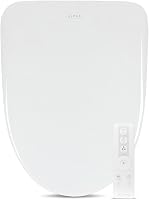
How to Install an Electric Bidet Toilet Seat
To install an electric bidet toilet seat, remove the old seat, bolt on the mounting plate, connect the T-adapter to the toilet's water supply, and seat the bidet over the bolts. Then plug it into a grounded outlet, turn the water back on, and run a test wash before using it.
On this page (10 sections)
- What should you check before you start?
- How do you remove the old toilet seat?
- How do you mount the bidet seat plate?
- How do you connect the water supply?
- How do you place the seat and make the electrical connection?
- Which electric bidet seat fits your setup?
- How do you test the seat after installation?
- What are the most common installation mistakes?
- How long does the job take, and when should you call someone?
- Which seat should you install first?
To install an electric bidet toilet seat, remove the old seat, bolt on the mounting plate, connect the T-adapter to the toilet's water supply, and seat the bidet over the bolts. Then plug it into a grounded outlet, turn the water back on, and run a test wash before using it.
The job is a do-it-yourself project for most toilets. The parts come in the box and the steps follow the same order whatever brand you buy.
This guide walks through how to install an electric bidet toilet seat from the shutoff valve to the first test spray.
What should you check before you start?
Confirm three things first: the seat shape fits your bowl, the water valve turns off, and a grounded outlet sits within cord reach. Any one of these missing turns a 30-minute job into a project.
Measure the bowl from the mounting holes to the front edge. Seats come in round and elongated shapes, and the size label sits under the lid.
Our guide to whether your toilet seat is compatible with a bidet covers the shape and rough-in checks in full.
Find the shutoff valve behind or beside the toilet and turn it clockwise. If it won't stop the flow, stop and call a plumber before you take the old seat off.
Look at the outlet. A GFCI outlet near the toilet is the safe choice, and the seat's cord has to reach without an extension cord across a wet floor.
How do you remove the old toilet seat?
Flip up the hinge covers, unscrew the two bolts, and lift the seat off the bowl. Keep the bolts and washers in a bag so you can put the old seat back if the new one needs a return.
Open the hinge caps on the old seat and loosen the bolts with a screwdriver or wrench. Many seats use plastic wing nuts under the bowl, which turn by hand.
Clean the bowl rim and the bolt holes while the seat is off. Built-up grime under the hinges makes the new plate sit unevenly and can cause a wobble later.
If the bolts are stuck or the seat has a quick-release button, our walkthrough on how to remove a bidet toilet seat handles the stubborn cases.
How do you mount the bidet seat plate?
Set the mounting plate over the toilet's bolt holes, thread the bolts through, and tighten until the plate sits flat. The plate is the base the bidet slides onto, so a level fit matters more than a tight fit.
Line up the plate so its front edge sits where the seat will cover the bowl evenly. Drop the bolts through the plate and the bowl holes, then add the washers and nuts underneath.
Tighten by hand first, then snug with a wrench. Stop when the plate stops rocking; over-tightening can crack a plastic plate or chip the porcelain.
Some kits use a slide-on bracket or a catch plate at the front. Follow the paper instructions for your model, since the hardware varies by brand.
The Bio Bidet BB2000 includes its mounting hardware and instructions in the box.
How do you connect the water supply?
Shut off the valve, unscrew the toilet's supply line, and thread the T-adapter onto the valve; then reconnect the line and the bidet hose. The adapter splits the water so the tank fills and the bidet gets its own feed.
Wrap the adapter threads with plumber's tape if the kit includes it. Hand-tighten the connections, then a quarter turn with a wrench.
Too much force strips the plastic threads.
Attach the bidet's flexible hose to the free branch of the T-adapter. Route the hose so it doesn't kink behind the bowl or press against the seat.
Turn the valve back on slowly and watch each joint for a minute. A drip means a loose fitting, so tighten it a little more.
A steady leak means the washer is missing or cross-threaded.
How do you place the seat and make the electrical connection?
Slide the seat onto the plate until it clicks or locks, then plug the cord into the grounded outlet. Check that the seat sits square on the bowl with no gap at the front.
Line up the seat's rear catches with the plate and push down until it seats. On models with side bolts, thread and tighten them as the instructions show.
The Alpha Bidet JX2 has a sittable lid, so its lid hinge also needs to seat properly.
Plug the cord in only after the water is on. Most seats run a short self-check at power-up, and some light up or beep.
Keep the cord clear of the floor where it could catch a foot or sit in a puddle.
Which electric bidet seat fits your setup?
The right seat depends on your toilet shape and what you want from the controls. All three seats here are do-it-yourself installs with mounting hardware in the box, so the choice comes down to fit and features.
Bio Bidet BB2000 Bliss
The BB2000 Bliss suits an elongated toilet where you want a full set of comforts from one seat. BioBidet lists a heated seat, unlimited warm water, a warm air dryer, a night light, and a deodorizer, all run from a wireless remote.
BioBidet says it fits standard elongated toilets and needs an outlet to use the full feature set. The stainless steel nozzles are built to be easy to keep clean.
It's a premium pick for a main bathroom rather than a quick budget upgrade.
Alpha Bidet JX2
The JX2 suits a slim bathroom where the seat should sit low and quiet on the bowl. Alpha Bidet uses tankless on-demand heating for endless warm water and calls the operation whisper quiet.
Alpha Bidet describes a low-profile design with a self-cleaning aluminum nozzle, an LED night light with an ambient sensor, and a remote with shortcut buttons. The sittable lid matters in a household where people perch on the closed seat.
Alpha Bidet says a skirted toilet may need extra parts.
LEIVI Electric Bidet Seat
The LEIVI suits a household that wants controls in two places, with a wireless remote and a side panel. That pairing helps anyone who finds a small remote hard to hold.
LEIVI lists instant warm water, a warm air dryer, front and rear washes, a heated seat, and a self-cleaning nozzle. The soft-close lid and seat cut the slam.
It's an elongated seat and the kit includes the mounting hardware and a manual.
If you're still weighing a seat against a full fixture, our comparison of a bidet seat vs a bidet toilet explains the difference in cost, install and footprint.
How do you test the seat after installation?
Run a wash cycle with no one sitting on the seat and check for leaks at every joint. Testing first catches a loose fitting before it soaks the floor.
Turn the water on and press a wash button on the remote or panel. Watch the nozzle extend and the spray hit the bowl.
Let it run a few seconds, then stop it.
Wipe under the T-adapter and along the hose with a dry paper towel. Any damp spot means a fitting needs another small turn.
Check the seat temperature and the dryer on a low setting. Some seats need a minute to warm up, and the water may start cool on a tankless model.
If the seat wobbles, loosen the bolts, recenter the plate, and tighten again.
What are the most common installation mistakes?
The usual mistakes are a missed shutoff valve, an over-tightened plastic fitting, and a seat that doesn't match the bowl shape.
- Skipping the valve test: always confirm the water stops before you unscrew the supply line.
- Forcing the fittings: hand-tight plus a small turn is enough for plastic threads.
- Guessing the shape: measure the bowl and buy round or elongated to match.
- Using an extension cord: the seat needs its own grounded outlet within cord reach.
- Tightening the plate too hard: snug is enough, and a cracked plate leaks later.
Round toilets need a seat built for them, so check the options in our guide to a round bidet toilet seat without electrics if your bowl is round and you want a simpler install.
How long does the job take, and when should you call someone?
Most installs take 30 to 60 minutes, and you only need help when the valve won't close or the outlet needs work.
Have a towel and a small bowl under the supply line before you disconnect it. A little water always drains out, and catching it saves a cleanup.
Call a plumber if the shutoff valve leaks or won't stop the flow. Call an electrician if the bathroom has no grounded outlet near the toilet.
Those are the two points where a do-it-yourself install should stop.
Once the seat is on and tested, keep the paper instructions with the seat's model number. You'll want them when you change a filter or adjust the nozzle position later.
Which seat should you install first?
For most elongated toilets, the Bio Bidet BB2000 Bliss is the pick when you want the fullest set of comforts from one install. The Alpha Bidet JX2 suits a slim, quiet bathroom with a sittable lid, and the LEIVI fits a household that wants a remote and a side panel.
Whichever you choose, follow the steps in order: check the fit and outlet, remove the old seat, mount the plate, connect the water, seat the bidet, and test for leaks. A careful first hour keeps the seat steady and dry.
Frequently asked questions
Do you need a plumber to install an electric bidet toilet seat?
No, most seats are a do-it-yourself job that takes under an hour with basic tools. You need a nearby grounded outlet, a water supply line you can reach, and the included mounting parts.
Call a plumber only if your shutoff valve won't close or the outlet needs moving.
How long does it take to install an electric bidet toilet seat?
Plan on about 30 to 60 minutes for a standard toilet with a reachable valve and outlet. The water and power connections are quick; most of the time goes to removing the old seat and checking for leaks.
Can you install a bidet seat without an electrical outlet nearby?
No, an electric seat needs a grounded outlet within reach of its cord. You cannot run it from an extension cord safely around a wet bathroom.
If there's no outlet, choose a non-electric bidet attachment or have an electrician add a GFCI outlet.
What tools do you need to install a bidet seat?
Usually an adjustable wrench, a screwdriver, and a towel. The seat kit supplies the T-adapter, hose, and mounting hardware.
Keep the old seat's bolts and washers in a bag in case you need to reinstall it later.
Does a bidet seat fit every toilet?
No, fit depends on the toilet's shape and rough-in space. Measure the bowl from the mounting holes to the front edge and confirm elongated or round before ordering.
Check the toilet seat compatibility guide before you buy.